
The information provided here is for educational purposes and does not replace a doctor's visit.
- Zinc Toxicity: Taking too much zinc (over 40mg/day) can cause nausea and copper deficiency. Always consult a doctor before starting supplements.
- Zinc is a supportive treatment, not a cure-all for severe cystic acne which may require prescription medication.
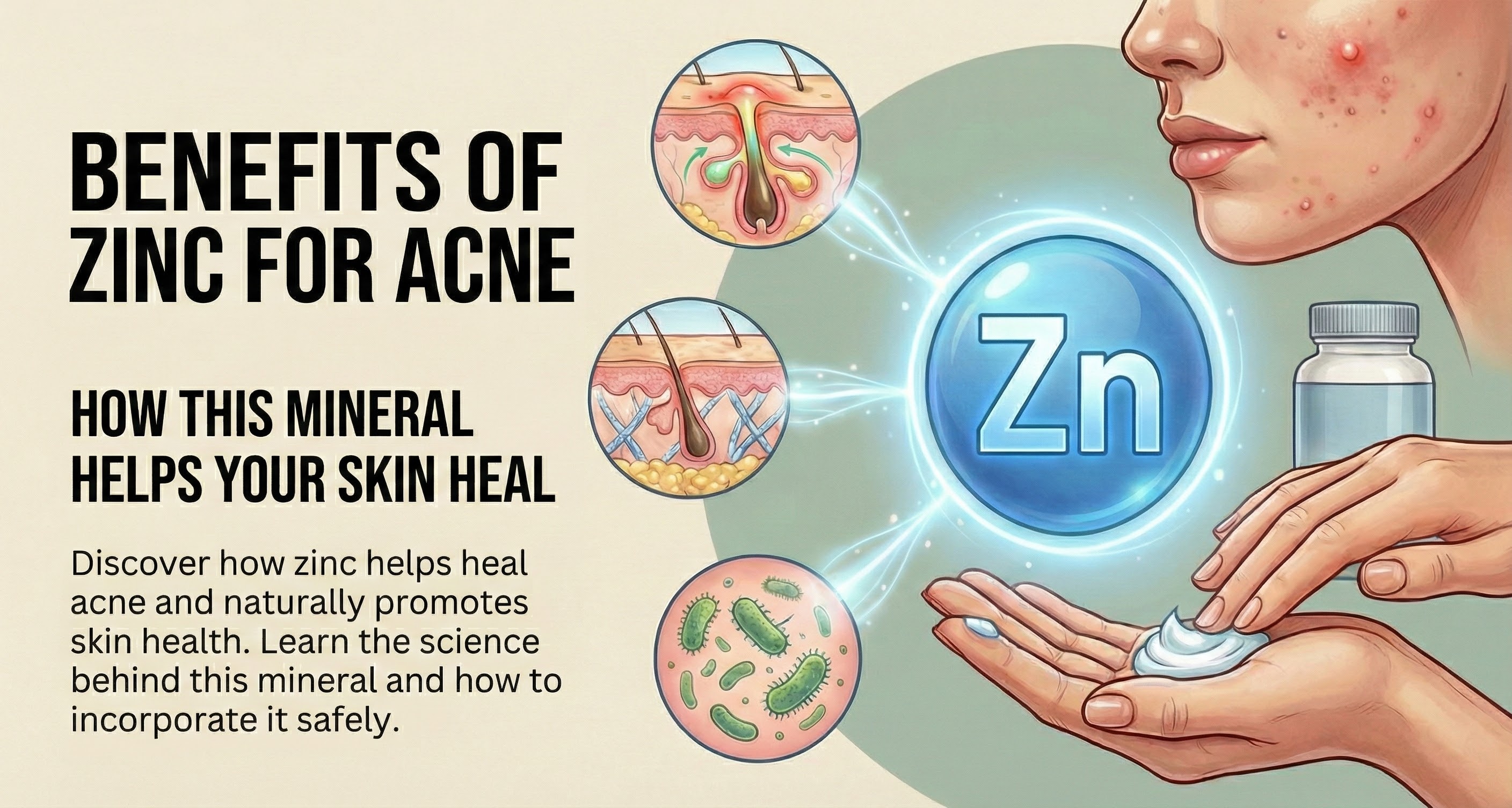
You've tried the creams, the washes, and even changed your diet, but the breakouts just keep coming. Could the answer be something as simple as adding more of a certain mineral to your routine? Enter zinc.
You've probably heard of zinc for colds, but it turns out this powerhouse mineral is also an acne-fighting superhero.
The Science Behind Zinc and Acne
So, how exactly does this magic mineral work? Zinc plays multiple roles in keeping your skin clear.
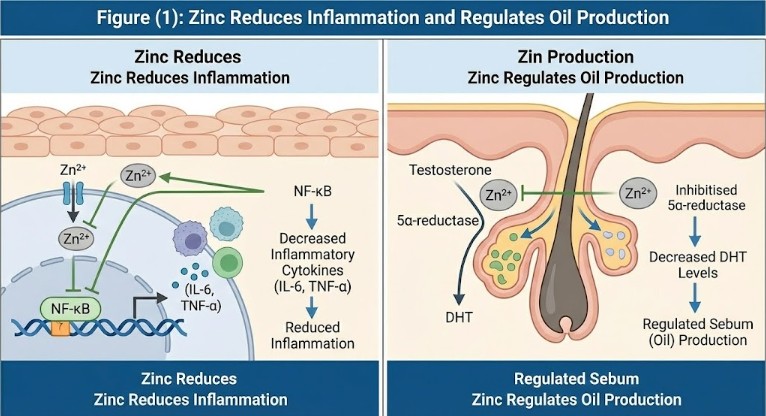
1. It's an Anti-Inflammatory
You know how pimples get red, swollen, and sore? That's inflammation. Zinc helps to calm that inflammation down, reducing the redness and swelling that comes with breakouts [1].
2. It Fights Acne-Causing Bacteria
Acne isn't just caused by clogged oil; bacteria (C. acnes, specifically) plays a big part, too. Zinc has been shown to help reduce the amount of this bacteria on your skin. Less bacteria means fewer pimples.
3. It Helps Regulate Oil Production
If you have oily skin, zinc might be your new best friend. This mineral helps to regulate the amount of oil your skin produces by suppressing sebum secretion [2]. Less oily skin means less of a chance for clogged pores.
4. It Supports Skin Healing
Zinc is essential for wound healing, and that includes healing pimples. It helps your skin repair itself more quickly, which could mean breakouts go away faster and potentially leave behind less scarring.
How Can You Get More Zinc?
Convinced? Awesome! Here's how you can incorporate more zinc into your life.
1. Through Your Diet
Food first, always! You can find zinc in a ton of yummy foods.
- Meat & Shellfish: Beef, oysters, and chicken are excellent sources.
- Legumes, Nuts & Seeds: Think lentils, chickpeas, pumpkin seeds, and cashews.
- Dairy & Whole Grains: Yogurt and oatmeal are other great options.
Try to incorporate these foods into your meals for a natural zinc boost.
2. Zinc Supplements
If you have severe acne, zinc supplements might be a good option. Studies show they can significantly help reduce breakouts. But here's the important part: you must talk to a doctor before taking any supplements.
- Why? Too much zinc can have side effects, like nausea and an upset stomach. It can also interfere with the absorption of other minerals like copper.
- What to ask: A doctor can help you determine if zinc supplements are right for you and recommend the correct dosage (usually 30-45mg of elemental zinc).
3. Topcial Zinc Skincare
You can also find zinc in skincare products, often in the form of zinc oxide or zinc PCA.
- Mineral Sunscreens: Zinc oxide is a common ingredient in mineral sunscreens. It not only protects from sun damage but also provides soothing benefits.
- Creams & Ointments: Some creams designed for sensitive or acne-prone skin contain zinc to help reduce redness and irritation.
Quick Comparison: Zinc Sources
| Source | Pros | Cons |
|---|---|---|
| Diet | Safe, natural, extra nutrients | Hard to get therapeutic dose |
| Supplements | Potent, measurable dose | Risk of side effects (nausea) |
| Topical | Direct action on skin, soothing | Less effective for deep hormonal acne |
A Final Word on Zinc
Zinc isn't a magic bullet, but it's an incredibly powerful tool in your fight against acne. By fighting inflammation, reducing bacteria, and controlling oil, it tackles many of the root causes of breakouts.
Whether you choose to up your intake through your diet, explore supplements (with a doctor's okay!), or try out topical skincare, incorporating zinc could be the step your skin needs to heal naturally and start to glow.
Scientific Sources and References
- Gupta, M., et al. (2014). "Zinc therapy in dermatology: a review." Dermatology Research and Practice.
- Brandt, S. (2013). "The clinical effects of zinc as a topical or oral agent on the clinical response and pathophysiologic mechanisms of acne: a systematic review of the literature." Journal of Drugs in Dermatology.
Note: Images used are for illustrative purposes only.